

You open an app without thinking, scroll for twenty minutes, and close it feeling worse than before. Sound familiar? That cycle, repeated dozens of times a day, is what passive social media use looks like in practice, and research confirms it takes a real toll on mood, attention, and self-worth. The good news is that the problem isn't social media itself. It's how most people use it. This guide walks you through a clear, research-backed approach to intentional use, with specific attention to the needs of people navigating mental health challenges, neurodivergent experiences, and the search for genuine community online.
Table of Contents
- Why intentional social media use matters
- What you need to get started: Tools and mindset
- Step-by-step: Using social media intentionally
- Troubleshooting and adapting for individual needs
- Recognizing success: Signs you're using social media intentionally
- A fresh take: Why intentional use beats blanket avoidance and what most guides miss
- Level up your intentional social media experience
- Frequently asked questions
Key Takeaways
| Point | Details |
|---|---|
| Intentional use improves well-being | Actively choosing how you engage boosts mental health more than just reducing screen time. |
| Tools and mindset matter | Setting up boundaries, curating feeds, and clear intent help sustain a positive digital routine. |
| Customize for individual needs | Neurodivergent users may need to adapt strategies for personal capacity and emotional comfort. |
| Success is balanced | Moderate, mindful use—not extreme avoidance or excess—leads to more authentic connection and resilience. |
Why intentional social media use matters
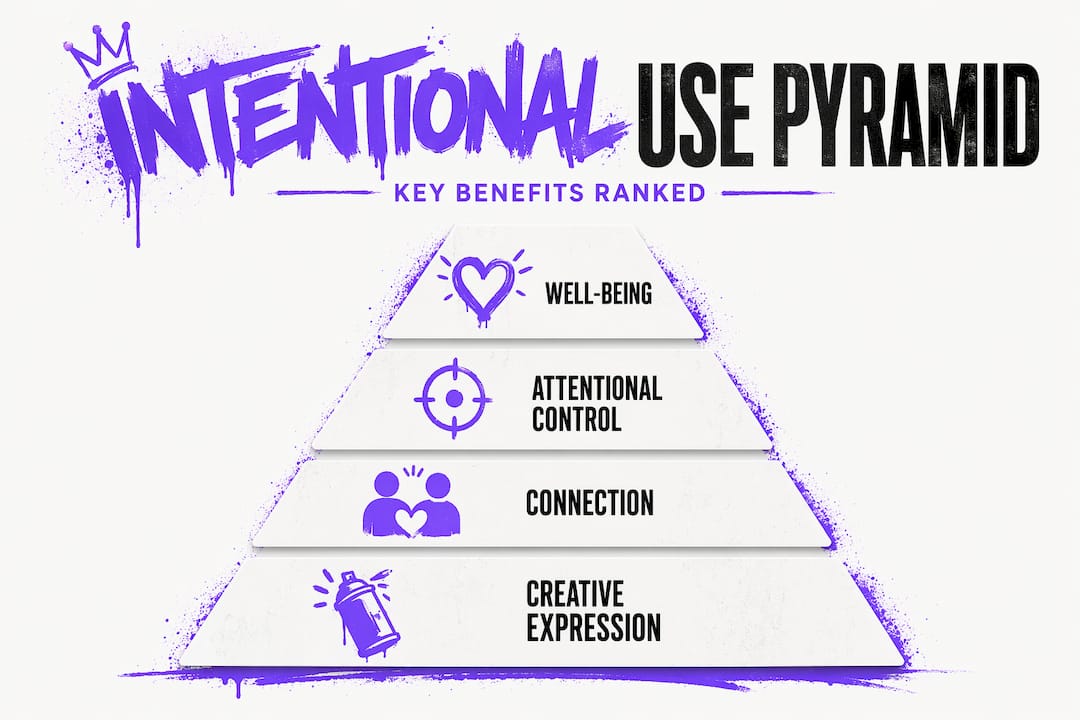
"Intentional use" means engaging with a platform because you chose to, with a clear reason in mind, rather than out of reflex or boredom. It sounds simple, but the difference in outcomes is significant. Intentional vs passive use predicts psychological well-being and attentional control far more than the total time you spend online. In other words, two people who spend the same number of hours on social media can have completely different mental health outcomes depending on why and how they're engaging.
This matters because most conversations about social media and mental health focus on screen time as the main villain. Cut your usage in half, the advice goes, and you'll feel better. But that framing misses something important. The relationship between social media use and well-being is actually non-linear. Both the highest and lowest usage levels are linked to worse outcomes compared to moderate, purposeful use. Completely quitting isn't automatically healthier, and neither is unlimited scrolling.
Here's what the research landscape looks like in practical terms:
| Usage pattern | Well-being outcome | Attentional control |
|---|---|---|
| Passive, habitual scrolling | Negative | Low |
| No use at all | Mixed, often isolating | Variable |
| Moderate, intentional use | Positive | High |
| High use with clear purpose | Neutral to positive | Moderate |
The takeaway is that your why shapes your outcome. Are you logging on for connection, support, creative expression, or entertainment? Or are you opening an app because your thumb moved before your brain did? Platforms built around social media without likes or text-based social media can make intentional use easier by removing the performance metrics that pull attention away from genuine interaction.
With the need for intentionality established, the next step is knowing what you need to make that shift.
What you need to get started: Tools and mindset
Before changing how you use social media, it helps to take stock of what's driving your current habits. Ask yourself honestly: when you reach for your phone, is it because you want to connect with someone specific, or because you're bored, anxious, or avoiding something else? That distinction is the starting point for everything that follows.
Health-focused guidance for intentional use from Harvard School of Public Health points to three foundational practices: curating your feed to reduce stress and comparison, setting clear boundaries around when and how you use platforms, and balancing online interaction with in-person community. These aren't complicated, but they require honest self-assessment first.
Here's a quick comparison of reactive versus intentional setups:
| Element | Reactive approach | Intentional approach |
|---|---|---|
| Notifications | All on, constant interruptions | Selective or scheduled |
| Feed content | Whatever the algorithm serves | Curated by you |
| Reason for opening app | Habit or boredom | Specific goal |
| Time limits | None | App timers or routines |
| Emotional check-in | Rarely | Before and after use |
Practical tools that support intentional use include:
- App timers built into iOS Screen Time or Android Digital Wellbeing
- Notification controls that limit interruptions to specific hours
- Phone-free routines around meals, mornings, and the first hour after waking
- Feed curation by unfollowing, muting, or blocking accounts that trigger comparison or stress
- Platforms designed differently, like no algorithm social media or spaces built around social media without followers, which remove ranking systems entirely
Your emotional and energy capacity matters too. Some days you have bandwidth for deep conversations. Other days, even light scrolling is too much. Building awareness of your own capacity is a form of wellness strategy that pays off over time.
Pro Tip: Write a personal "intent statement" for social media and keep it visible. Something like: "I use social media to connect with people who get me, not to perform or compare." Put it on a sticky note near your desk or as your phone's lock screen wallpaper. It sounds small, but it interrupts automatic behavior at exactly the right moment.
Once you're set up with the right tools and mindset, you can start applying intentional strategies step by step.
Step-by-step: Using social media intentionally
Turning intention into habit takes practice. These steps are designed to be realistic, not perfect. Start with one or two and build from there.
-
Pause before opening any app. Take one breath and state your intention out loud or in your head. "I'm opening this to check in with my friend" or "I want to find something that makes me laugh." This small pause interrupts the automatic loop.
-
Use a self-check question before and during use. Ask: "Am I here for connection, or out of habit?" If the answer is habit, close the app. If it's connection, proceed with awareness.
-
Curate actively and often. Mute or unfollow accounts that leave you feeling worse. Seek out accounts that reflect your actual interests, values, or community. This isn't a one-time task. It's an ongoing practice.
-
Set a timer or designate phone-free windows. Mindful technology use can buffer the negative impact of emotionally draining content on your resilience. A timer creates a natural exit point before you've gone too deep.
-
Balance online interaction with offline community. Digital connection is real and valuable, but it works best alongside in-person or phone-based relationships. Think of online community as one layer, not the whole structure.
Setting boundaries paired with emotional safety strategies is consistent with public health recommendations for healthier social media use. These steps aren't about restriction. They're about making space for the kind of interaction that actually feels good.
"How you use social media, not just how much, is what matters for your resilience and emotional health."
Pro Tip: If emotional content starts to drain you mid-session, don't just scroll past it. Log off or switch to direct connection. Send a message to someone you trust through intentional engagement or check in with your creators community. Active connection resets the emotional register faster than passive scrolling ever will.
After implementing these steps, it's helpful to recognize signs you're truly using social media intentionally and what to do if you slip or hit obstacles.
Troubleshooting and adapting for individual needs
Even with the best intentions, old habits return. Doomscrolling happens. You pick up your phone at 1 a.m. and lose an hour. That's not failure. It's information.
For neurodivergent users, including those who are autistic, have ADHD, or experience sensory or cognitive processing differences, intentional use strategies may need real customization. Impression management, which means the mental work of crafting how you appear to others online, can create significant cognitive load. For some people, this pressure makes social media exhausting in ways that neurotypical users may not fully recognize. Energy budgeting is a valid and necessary adaptation, not an excuse.
Habitual and boredom-based social media use is strongly linked to problematic engagement and emotional distress. If you recognize that pattern in yourself, habit-stacking can help. Attach one small intentional check-in question to an existing habit, like asking "why am I opening this?" every time you unlock your phone. Small changes layered onto existing routines are more sustainable than dramatic overhauls.
Common trouble spots and personalized adaptations:
| Challenge | Who it affects most | Adaptation strategy |
|---|---|---|
| Doomscrolling loops | General users, anxiety-prone | App timers, feed curation, exit rituals |
| Impression management fatigue | Neurodivergent users, perfectionists | Platforms without performance metrics |
| Emotional dysregulation after use | Highly sensitive individuals | Post-use check-ins, offline grounding |
| Habitual, reflexive use | ADHD users, boredom-prone | Habit-stacking intentional questions |
| Isolation from low engagement | Introverts, marginalized communities | Seek niche communities, direct messaging |
It's also completely valid to take extended breaks. Stepping away from algorithmic platforms entirely for a week or a month can reset your relationship with online spaces. Exploring neurodivergent strategies and alternatives to mainstream platforms can open doors to communities designed with your actual needs in mind.
With a troubleshooting mindset, you'll be primed to reap the benefits. So how will you know intentional use is working for you?
Recognizing success: Signs you're using social media intentionally
Progress with intentional use isn't always dramatic. It often shows up quietly, in small but meaningful shifts in how you feel and function day to day.
Here are the clearest signs you're on the right track:
- You feel more connected and less anxious after logging off, rather than drained or resentful
- Your attention is steadier throughout the day, and you check your phone less on impulse
- You notice more time for offline experiences, relationships, and rest
- You can articulate why you opened an app and what you got from it
- You feel less reactive to content that used to trigger comparison or self-doubt
Intentional use predicts better attentional control and well-being, and the improvements tend to compound over time as new habits solidify. The goal isn't perfection. It's a pattern of self-aware, moderate engagement that serves your actual life.
Research confirms that the non-linear relationship between usage and well-being means finding your own moderate, intentional pattern is more important than hitting any specific number of minutes per day. Intentional users show measurably better well-being scores compared to passive users, with some studies reporting improvements of around 35% on standardized psychological well-being measures. That's a meaningful difference, and it comes from how you engage, not from quitting altogether.
Returning regularly to your overall wellness goals helps you stay calibrated as your life and needs evolve.
A fresh take: Why intentional use beats blanket avoidance and what most guides miss
Most advice about social media and mental health falls into one of two camps: quit entirely, or just use it less. Both miss the point. The real issue isn't the platform itself but the context, motive, and design environment in which you use it. Blanket abstinence messaging can actually increase shame and social isolation for people whose primary communities exist online, including many neurodivergent people, chronically ill individuals, and those in geographically isolated areas.
What most guides also miss is the role of platform design. When a platform is built around likes, follower counts, and algorithmic ranking, intentional use becomes harder because the system is actively working against you. Every notification, every metric, every curated feed is designed to pull you back into passive, reactive engagement. Choosing spaces that are built differently isn't just a preference. It's a structural advantage for anyone trying to use social media with purpose.
The most meaningful shift comes not from willpower alone but from building an ecosystem that supports your intentions. That means curating your feed, yes, but also choosing platforms that respect your boundaries by design, finding communities where genuine self-expression is the norm, and making room for the reality that your capacity will change. What works for you in a high-energy season may not work during a period of burnout or grief.
"Intentionality isn't just a filter. It's a foundation for genuine connection and safer digital spaces."
Pro Tip: Reevaluate your social media setup every few months. Your needs, energy levels, and community priorities will shift. A strategy that served you well six months ago may need updating. Treat it like a living practice, not a one-time fix. Exploring user stories and community perspectives from others navigating similar questions can offer fresh insight when you feel stuck.
Level up your intentional social media experience
If you've made it this far, you already understand that the way a platform is designed shapes how you feel inside it. RAW Social was built from the ground up with that truth at its center.
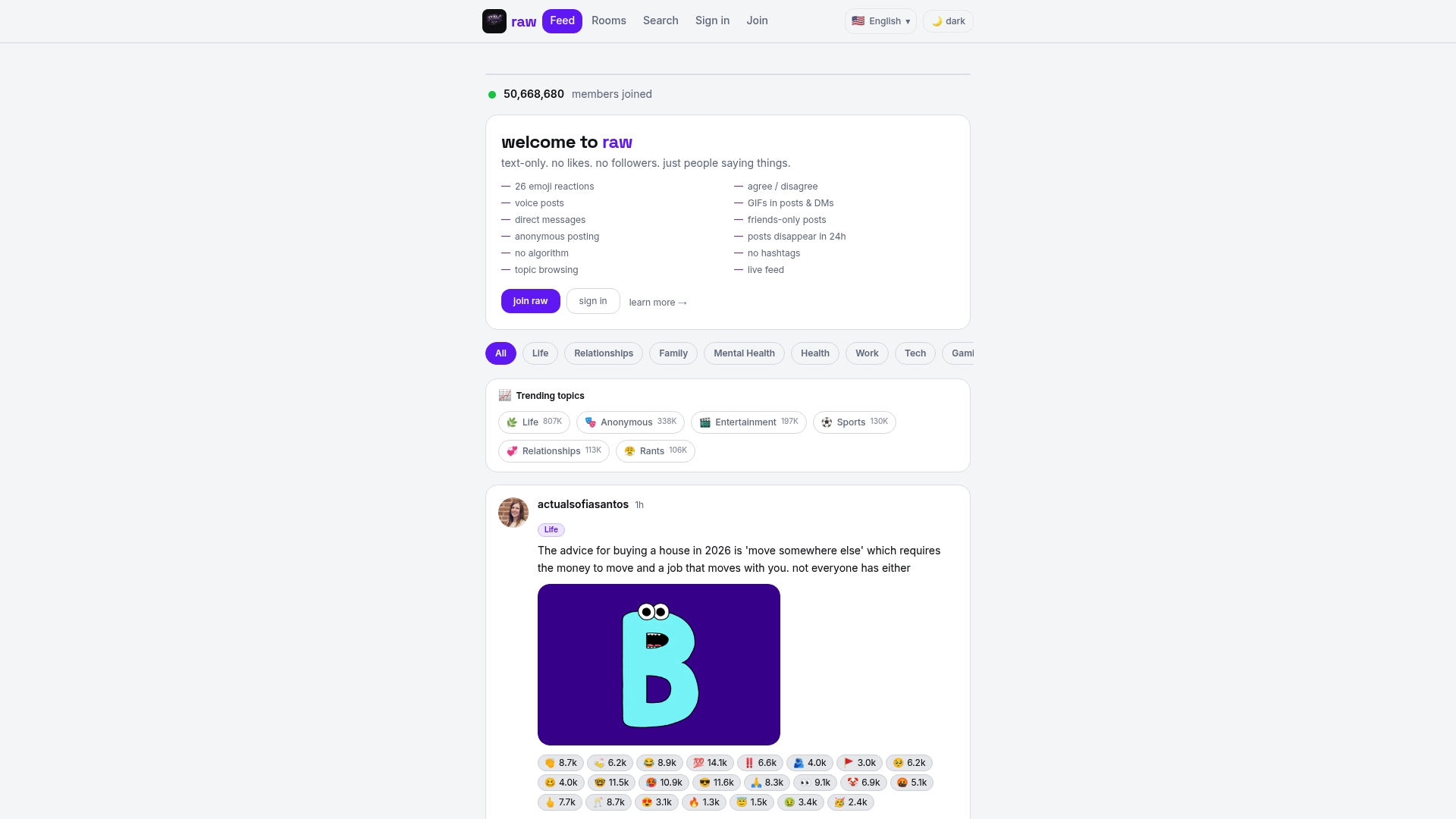
RAW Social removes the features that make intentional use hardest: no algorithmic feed, no likes, no follower counts, and no performance metrics. What's left is space for real conversation, honest self-expression, and community built around shared experience rather than social ranking. Whether you're navigating mental health challenges, exploring neurodivergent identity, or simply exhausted by platforms that reward performance over authenticity, RAW Social offers a different kind of digital home. Explore the platform and find communities where your presence doesn't need to be optimized to matter.
Frequently asked questions
What does it mean to use social media intentionally?
Using social media intentionally means engaging with a clear purpose, like connecting or learning, rather than out of habit or boredom. Intentional vs passive use is strongly associated with better psychological well-being and attentional control.
How can I tell if I'm using social media out of habit?
If you open an app reflexively, scroll without a goal, or feel restless when not online, it's likely habitual use. Habitual and boredom-based use is strongly linked to problematic engagement and emotional distress.
Is quitting social media the only way to protect my mental health?
No. Research shows the best outcomes come from moderate, intentional use rather than total abstinence or unlimited scrolling. Well-being outcomes are non-linear, and moderate intentional use is most beneficial.
How can neurodivergent users adjust intentional social media strategies?
Neurodivergent users benefit from customizing boundaries, energy budgets, and curation based on individual needs rather than applying one-size-fits-all rules. Impression management and intent impact mental health differently depending on neurotype.
What tools help with intentional use?
App timers, notification controls, curated feeds, and written intent statements all support intentional use. Boundaries, feed curation, and routine checks are established public health recommendations for healthier social media habits.